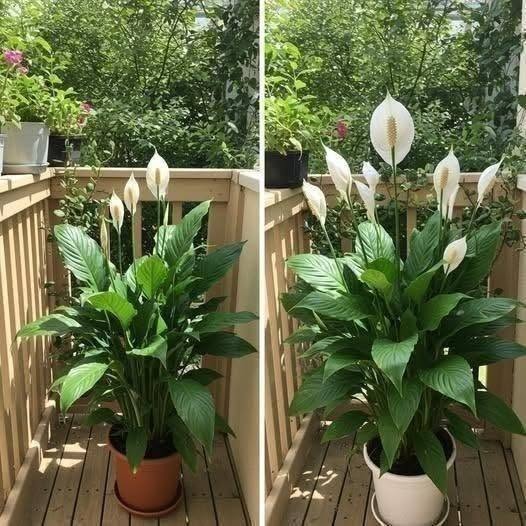
The viral trend of adding a single tablespoon of household ingredients directly to houseplant pots promises quick, low-cost fixes. In horticulture and soil chemistry, however, placing concentrated pantry staples directly onto topsoil can yield drastically different outcomes—ranging from beneficial soil conditioning to severe root burn, toxic salt buildup, or pest infestations.
Below is an empirical, scannable breakdown evaluating what actually happens to your soil biology and root systems based on what you apply.
🚫 Avoid Completely (High-Risk Compounds)
-
Granulated Sugar: Highly Discouraged. Plants produce their own sucrose internally via photosynthesis; they do not absorb sugar through their root systems. Adding raw sugar to potting soil provides a rapid energy source for harmful soil fungi and soil-borne bacteria, while immediately attracting ants and fruit flies to your living space.
-
Soda or Soft Drinks: The combination of processed sugars and carbonation drastically disrupts the osmotic pressure differential in the soil. Instead of nourishing the roots, it pulls moisture out of root cells via osmotic stress, leading to swift root shock, mold proliferation, and soil souring.
⚠️ Proceed with Caution (Dilution & Moderation Required)
-
Epsom Salt (Magnesium Sulfate — $\text{MgSO}_4$): Delivers readily available magnesium and sulfur, essential for chlorophyll synthesis and enzyme transport (especially in heavy feeders like tomatoes and peppers). The Risk: Applying dry Epsom salt directly to indoor container soil creates localized high salinity that burns delicate feeder roots. Always dissolve 1 tablespoon per gallon of water rather than applying dry.
-
Spent Coffee Grounds: Contains roughly 2% nitrogen along with trace minerals, acting as a slow-release organic amendment that slightly lowers soil pH for acid-loving flora (e.g., Azaleas, Ferns). The Risk: When piled dry on topsoil, coffee grounds dry into a dense, water-repellent (hydrophobic) crust that blocks airflow and traps excess moisture underneath, encouraging mold and fungus gnats.
-
Diluted Milk: The proteins and beneficial microorganisms in milk can suppress leaf pathogens like powdery mildew when sprayed onto foliage as a dilute wash (1:9 ratio with water). The Risk: Pouring raw, undiluted milk directly into potting soil causes rapid bacterial decomposition, foul odors, and fungal growth.
-
Mild Dish Soap: Highly diluted soapy water disrupts the cell membranes of soft-bodied garden pests like aphids and spider mites. The Risk: Applying concentrated soap or using it too frequently strips the protective waxy cuticle (cutin) from plant leaves, blocking respiration and causing severe foliar burn under direct sunlight.
-
A Single Tablespoon of Water: Entirely harmless, but structurally useless for plant hydration. It only dampens the top few millimeters of soil, leaving the active root zone completely dry while encouraging surface mold.
🟢 Safe & Beneficial Natural Boosters:
LOOK NEXT PAGE DEAR──►