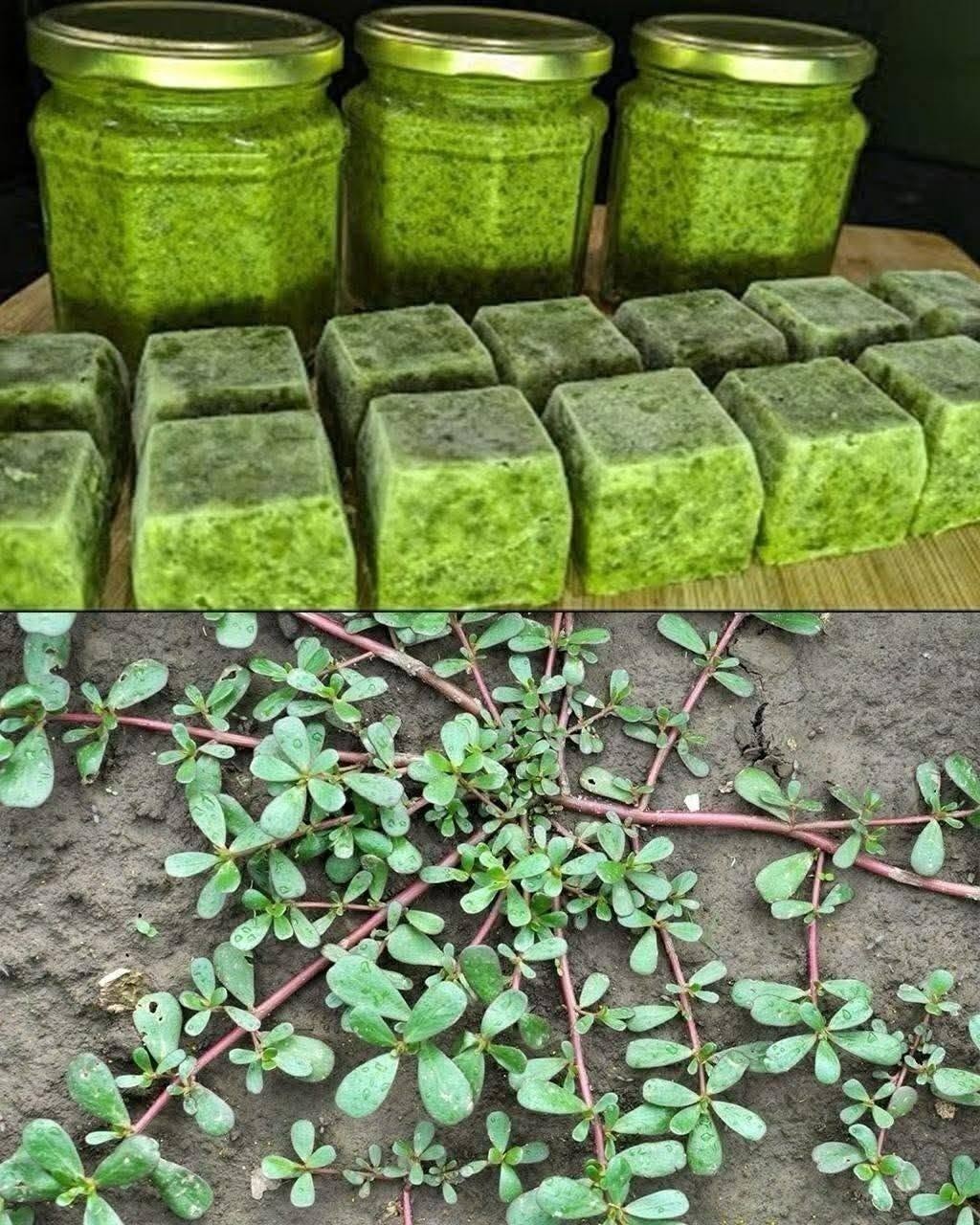
Purslane (Portulaca oleracea)—often dismissed as an invasive driveway weed—is one of the most nutrient-dense wild greens on Earth. In Mediterranean, Middle Eastern, and Asian culinary traditions, it is celebrated for its juicy, succulent texture and bright, lemony bite.
For adults over 60, purslane offers a powerful concentration of plant-based omega-3 fatty acids (ALA), essential bone-building minerals, and vascular antioxidants that support long-term heart, brain, and joint health.
🔬 Nutritional Profile & Bioactive Matrix
-
Alpha-Linolenic Acid (ALA Omega-3): Purslane contains more ALA than nearly any other leafy green vegetable. ALA helps reduce systemic inflammation, supports vascular endothelial function, and promotes arterial flexibility.
-
Flavonoid & Betalain Antioxidants: Packed with vitamins C and E, beta-carotene, glutathione, and reddish betalain pigments, purslane provides strong protection against cellular oxidative stress.
-
Essential Mineral Quad: Delivers a concentrated dose of potassium, magnesium, calcium, and iron, which support healthy blood pressure regulation, nerve conduction, and bone mineral density.
-
Natural Hydration & Fiber: High water content combined with soluble dietary fiber supports smooth gastrointestinal motility and gut microbiome health.
Health Benefits for Adults Over 60
1. Cardiovascular & Blood Pressure Support
The combination of potassium and plant omega-3s promotes vasodilation (relaxing blood vessel walls). This reduces peripheral vascular resistance, helping maintain normal blood pressure levels and lowering strain on the heart.
2. Cognitive & Brain Cell Defense
Oxidative stress and neuroinflammation are key drivers of age-related cognitive decline. Purslane’s antioxidant array crosses the blood-brain barrier to help shield neural pathways from free radical damage.
3. Bone Density & Joint Comfort
With natural reserves of calcium, magnesium, and manganese, regular consumption provides the essential mineral building blocks needed to support skeletal structure and ease joint stiffness.
4. Glycemic Control & Metabolism
Emerging research indicates that active compounds in purslane may help improve cellular insulin sensitivity, assisting in stabilizing post-meal blood sugar levels.
⚠️ Important Safety Considerations for Seniors
-
High Oxalate Content: Like spinach and Swiss chard, purslane contains soluble oxalates. If you have a history of calcium-oxalate kidney stones, consume purslane in moderation, boil it to reduce oxalate levels, and stay well-hydrated.
-
Medication Interactions: Due to its mild blood-sugar-lowering and potassium-sparing effects, consult your primary care physician if you take insulin, blood thinners (e.g., Warfarin), or potassium-sparing antihypertensives.
-
Foraging Safety: Only harvest wild purslane from soils known to be free of chemical pesticides, herbicides, or roadside heavy metal runoff. Note: Ensure you do not confuse purslane with “Spurge” (Euphorbia), a toxic lookalike that emits a milky white sap when snapped.
Step-by-Step Instructions:
LOOK NEXT PAGE DEAR──►